


Knowledge
-

13
Jul
Composition and characteristics of water-based inkLike ordinary printing inks, water-based inks usually have colorants, binders, auxiliary agents and other components. Colorants are the colorants of water-based inks, giving them a specific color. In
Read More -

08
Jul
Disadvantages of water-based ink1. Low adhesion of water-based ink The adhesive strength is closely related to the surface tension of the material. The adhesive force of water-based ink is indeed a little worse than that of ink, but
Read More -
01
Jul
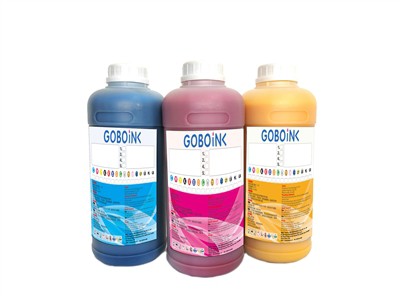
Advantages of water-based inkThe main components of water-based ink are acrylic resin, pigment and water, plus a small amount of additives. According to the test report of CNAS, its VOCs content is even less than 1%. It can be sa
Read More -
22
Jun
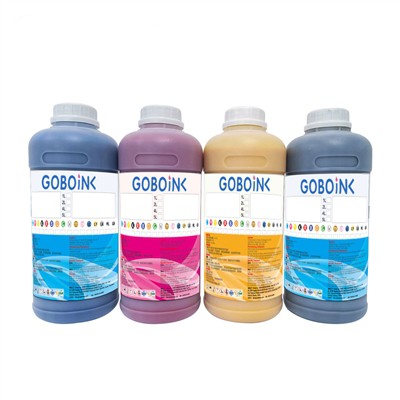
Development of water-based inkThe solvent of water-based ink is mainly water, and there is no VOC emission in the use process, which effectively protects the health of printing operators and ink developers. It is an environment-fr
Read More -
15
Jun
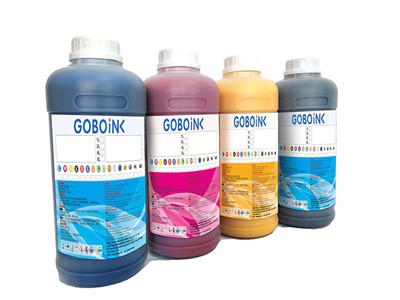
How to use water-based ink?1. Completely remove the release agent or grease on the surface with special treatment agent or special cleaner to improve the adhesion. 2. Before using water-based ink, the operator shall fully stir
Read More -

06
Jun
What is water-based ink?Water based ink is mainly produced by scientific processing with water as solvent. Compared with other inks, water based ink has odourless ink. 1. If the environmental protection standards are met, th
Read More -

01
Jun
Characteristics of Textile Ink1. Simple program: no preprocessing is required, and image color printing can be performed directly 2. Washable: after printing, it can be directly scrubbed with detergent without fading 3. No touch:
Read More -
26
May
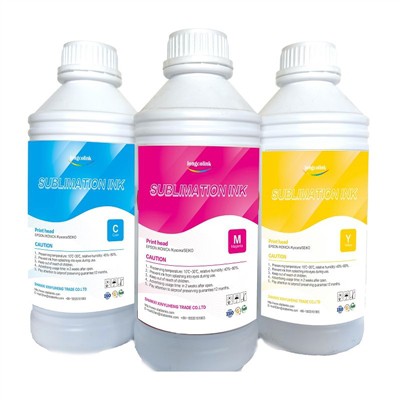
What is textile ink?Textile ink is constantly used in industry and is also an indispensable raw material in advertising materials. The choice of ink also directly affects the effect of the final advertising screen. Texti
Read More -

19
May
Difference between heat transfer ink and sublimation ink1. Different properties (1) Properties of heat transfer ink: mainly used for heat transfer printing products. (2) Nature of sublimation ink: The printing process in which sublimation heat transfer ink
Read More -

14
May
The difference between sublimation ink and uv inkSublimation ink and uv ink are two completely different inks. The corresponding devices are also different. The two printing processes are different, and the corresponding materials are also different
Read More -

09
May
Composition of UV inkThe main components of UV ink are polymerized prepolymers, photosensitive monomers, photoinitiators, and auxiliary components are coloring pigments, fillers, additives (leveling agents, polymerization
Read More -

05
May
Composition of printing inkPigment is the solid component of ink, which is the color developing substance of ink, and is generally insoluble in water. The color saturation, tinting power, transparency and other properties of in
Read More